Make Your Home Safe for Your Elderly Dog: Caring for Senior Dogs
Make Your Home Safe for Your Elderly Dog: Caring for Senior Dogs
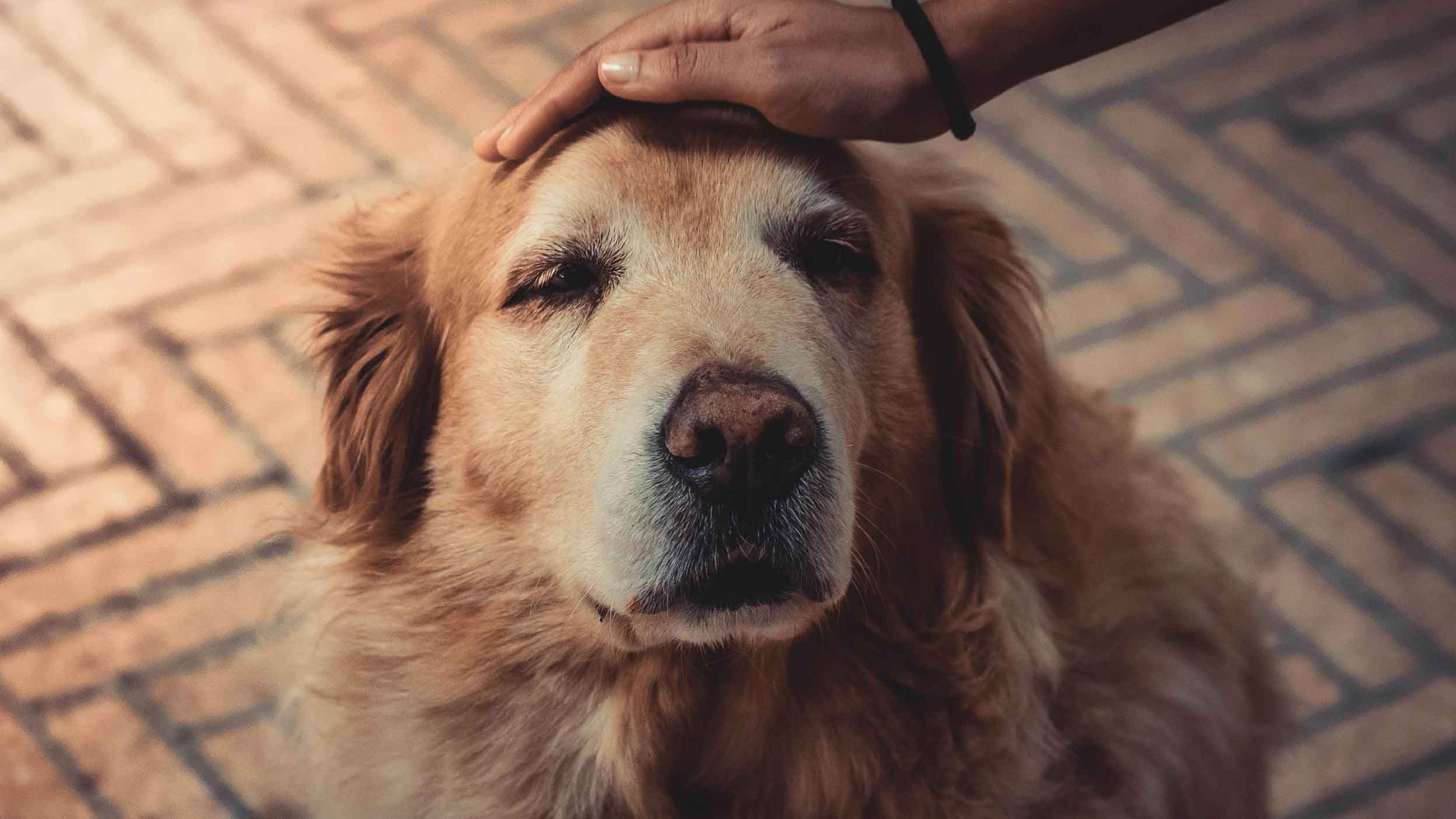
Is your aging dog struggling with everyday tasks like climbing stairs, walking on slippery floors, or finding a comfy spot to rest?
As your dog grows older, the world around them doesn’t always adapt to their changing needs. This is all part of aging, and caring for senior dogs simply means making a few adjustments. Let’s turn those tricky moments into easier, comfier ones for your four-legged best friend.
Understanding the Needs of a Senior Dog
As dogs age, their physical and cognitive abilities gradually decline, often go unnoticed until they begin to struggle. Slower movement, stiffness after rest, clouded vision, and increased anxiety are all common signs that your dog is entering their senior years. This is natural and a critical part of caring for a geriatric dog, which involves recognizing and adapting to these gradual changes.
Let’s adapt your home and routines to support them.
Top Flooring Fixes to Prevent Slips and Falls for Senior Dogs
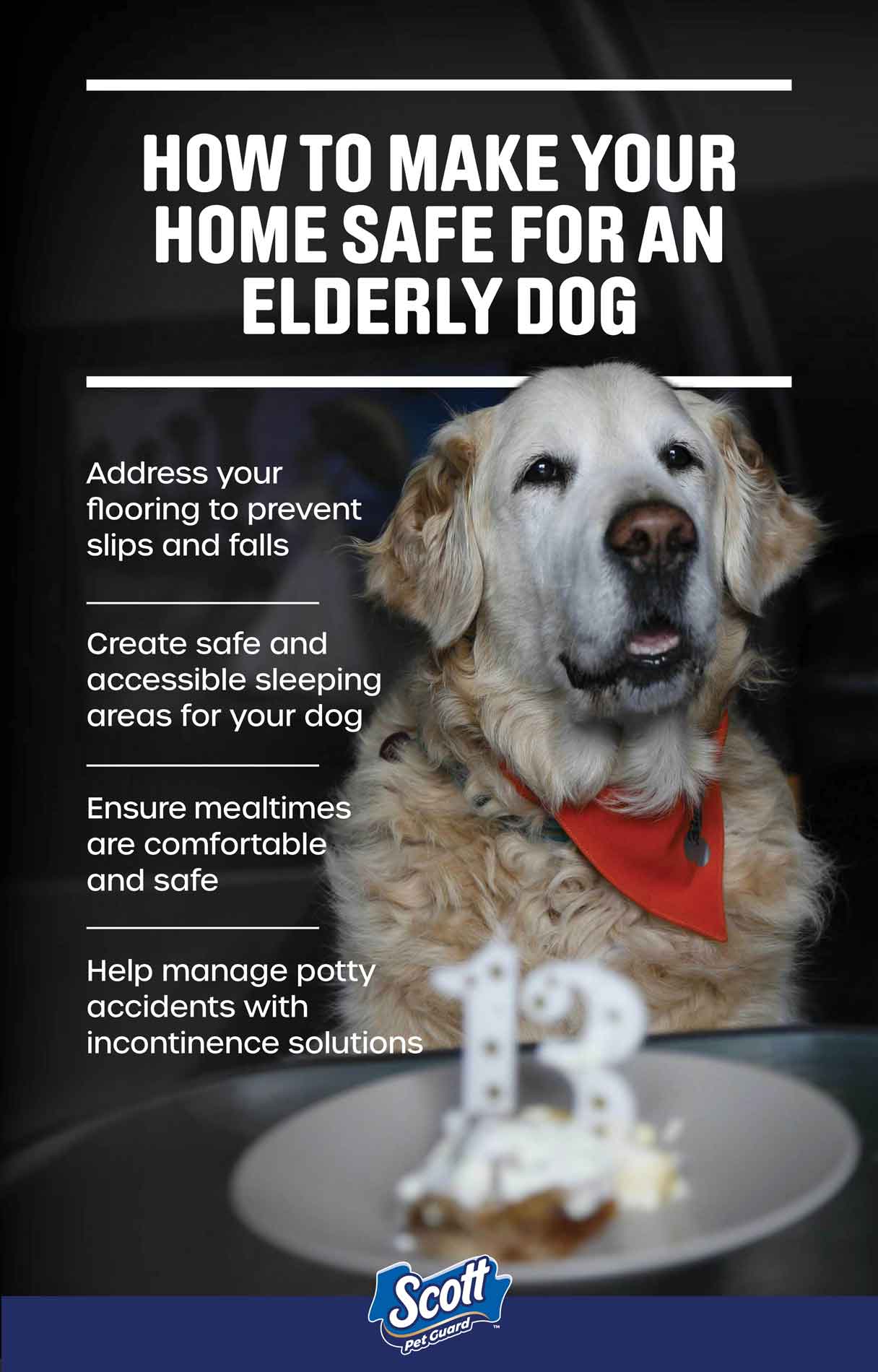
One of the biggest hazards for aging dogs is the floor beneath their paws. As mobility declines, slick surfaces like hardwood, tile, or laminate can become slippery and dangerous. Here are some simple ways to prevent slips and falls:
- Non-Slip Rugs & Runners: Place them in high-traffic areas, especially near food bowls, beds, and entryways.
- Rubber-Backed or Gripped Options: Choose rugs or mats with non-skid backings to prevent bunching and sliding.
- Foam or Yoga Mats for Open Spaces: Use soft, grippy alternatives in large, slippery areas to give your dog a secure walking path.
- Avoid Floor Polish or Wax: Skip any slippery floor treatments on surfaces your dog regularly walks on.
- Paw and Nail Maintenance: Keep nails trimmed and moisturize paw pads to naturally improve traction.
Create a Safe and Accessible Sleeping Area for Your Senior Dog
Once-beloved nap spots can become no-go zones for your older pup. Stiff joints, limited mobility, and an intolerance for cold or hard surfaces can turn comfy into downright painful. That’s why crafting a warm, safe sleep space isn’t just thoughtful; it’s essential. Here are some ways to create a better sleep space for your senior dog:
- Orthopedic Dog Beds: Choose beds with memory foam or supportive filling that relieve pressure on joints and hips, providing much-needed comfort for aging muscles and bones.
- Low or Ground-Level Beds: Go for beds close to the floor to make it easier for your dog to get in and out without straining or risking a fall.
- Non-Slip Mat Underneath: Place a non-slip mat under the bed to keep it stable when your dog lies down or stands up, preventing slips.
- Warm, Draft-Free Placement: Position the bed away from cold drafts or hard floors. Senior dogs are more sensitive to temperature changes and discomfort.
- Quiet, Low-Traffic Location: Place the sleeping area in a calm, low-traffic spot to help your dog rest peacefully without constant disturbances.
Make Mealtime Comfortable and Safe
Eating and drinking might seem easy, but for older dogs, stiff joints, slower moves, and blurry sight can make mealtime tricky. Reaching the bowl or balancing while eating can suddenly feel like a big task. Here’s how to adjust their feeding spot:
- Raised Food and Water Bowls: Elevate bowls to reduce the need for bending or stretching, easing pressure on neck, back, and joints.
- Separate Feeding Stations: If you have multiple pets, provide a quiet, separate space for your senior dog to eat without competition or stress.
- Frequent Water Refills: Ensure fresh water is always available and easy to reach, encouraging hydration that supports their overall health.
Bathroom Solutions: Managing Senior Dog Accidents with Care and Dignity
As dogs get older, potty accidents can start happening more often. Maybe they can’t hold it like they used to, struggle to get outside in time, or just get a little confused. Thankfully, there are many effective senior dog incontinence solutions available to help manage these challenges with care and dignity.
- Dog Pads: Place absorbent, leak-proof pads like Scott® Pet Guard near your dog’s favorite resting spots or entrances. If they miss, follow simple steps on how to remove pet urine smell from your home to keep your space fresh and clean.
- More Frequent Potty Breaks: Take your dog out more often, even if they don’t ask; regular bathroom breaks reduce the chance of accidents.
- Wipe-Downs: Keep Scott® Dog Wipes on hand and clean your dog gently after accidents.
Reducing Anxiety with Familiarity and Routine
Part of how to care for an old dog is creating a calm and familiar environment that reduces stress and anxiety. As dogs grow older, the world can start to feel a little overwhelming and even small things like a moved chair or loud noise can leave them unsettled. That’s why routine matters so much. Keep their space familiar. Let their bed, bowls, and favorite spots stay just where they are. Stick to a steady rhythm for meals, walks, and sleep. Familiar scents, kind voices, and a peaceful home can bring calm to their days and help them feel safe, secure, and loved.
CTA: Create a cozy senior care zone with a supportive bed, fresh water bowl, and Scott® Dog Wipes for easy, stress-free cleanup. Give your aging dog a comfortable space designed for their needs—because caring for senior dogs means making every moment easier.